Trekking the Sacred Kumano Kodo
Following cobblestone ascents through ancient cryptomeria canopies on one of only two UNESCO-recognized pilgrimage trails worldwide.
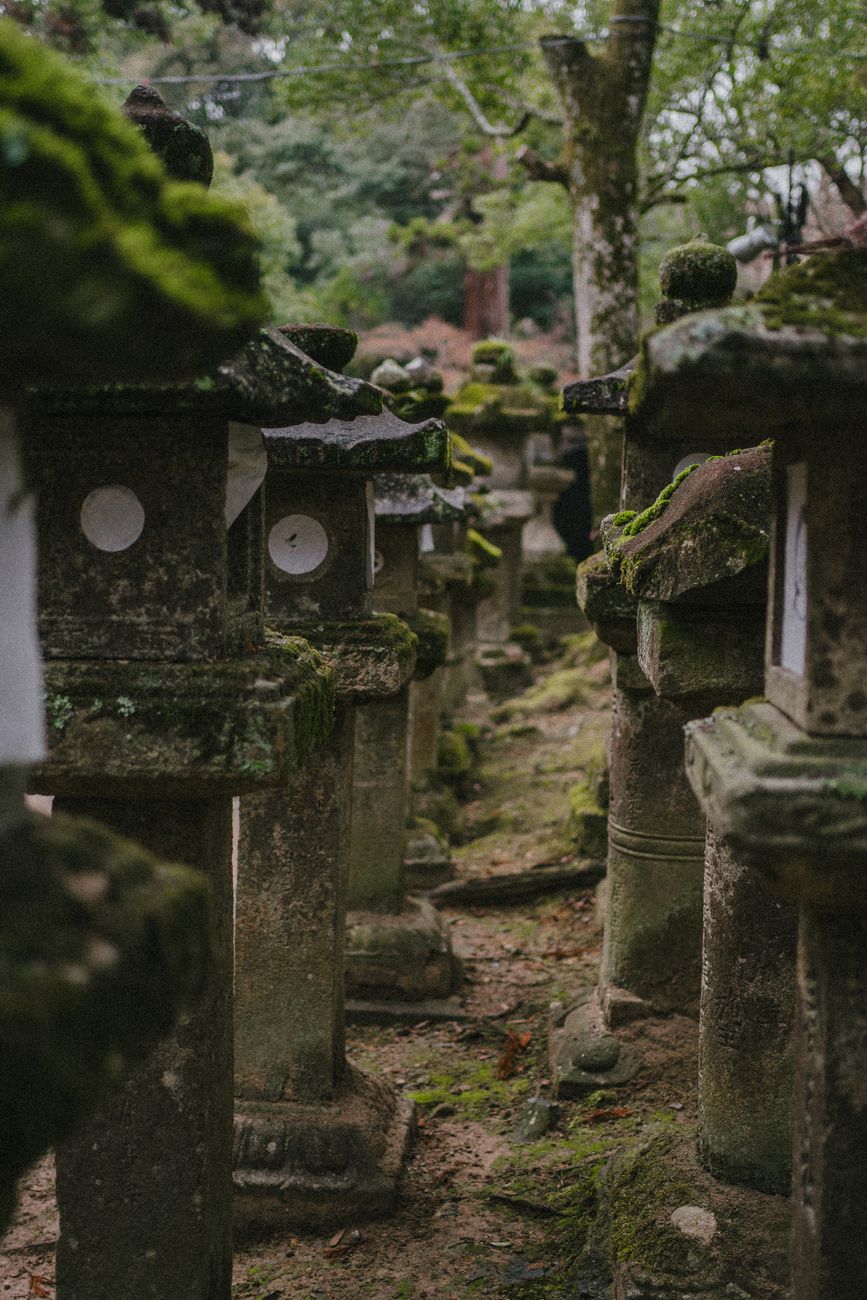
The morning mist in Wakayama Prefecture clings low over river valleys, muffling the sound of rushing mountain springs. Here on the Kii Peninsula, mountain worship (Shugendo) has intertwined with Buddhist and Shinto devotions for over a thousand years. Emperors, aristocrats, and commoners walked the same stone-paved passes seeking spiritual purification in the raw wilderness.
The Geometry of Cryptomeria and Moss
Walking the Nakahechi route between Takijiri-oji and Kumano Hongu Taisha demands sustained physical commitment. The trail rises steeply over sandstone staircases built by villagers in the Heian period. Towering overhead are stands of giant Japanese cedar (sugi) whose massive root networks anchor the precipitous slopes against monsoon rainfall.
"Pilgrimage on the Kumano Kodo is not an escape from physical strain, but an embrace of weight, breath, and geological continuity."
Small stone shrines known as oji emerge beside ancient crossroads, dedicated to localized nature deities. Modern walkers leave small offerings of coins, wild mountain chestnuts, or sprigs of sacred sakaki leaves before continuing their climb.
Restoration in Geothermal Waters
At the close of each day's march, travelers descend into river ravines where natural thermal water bubbles up through limestone cracks. In hamlets like Yunomine Onsen, wooden baths have accommodated pilgrim soakings for seven centuries, completing a restorative rhythm of muscular exertion and geothermal release.