Minimalist Packing for Sub-Polar Climates
How to travel effectively in sub-zero latitudes without surrendering mobility to cumbersome, redundant baggage.
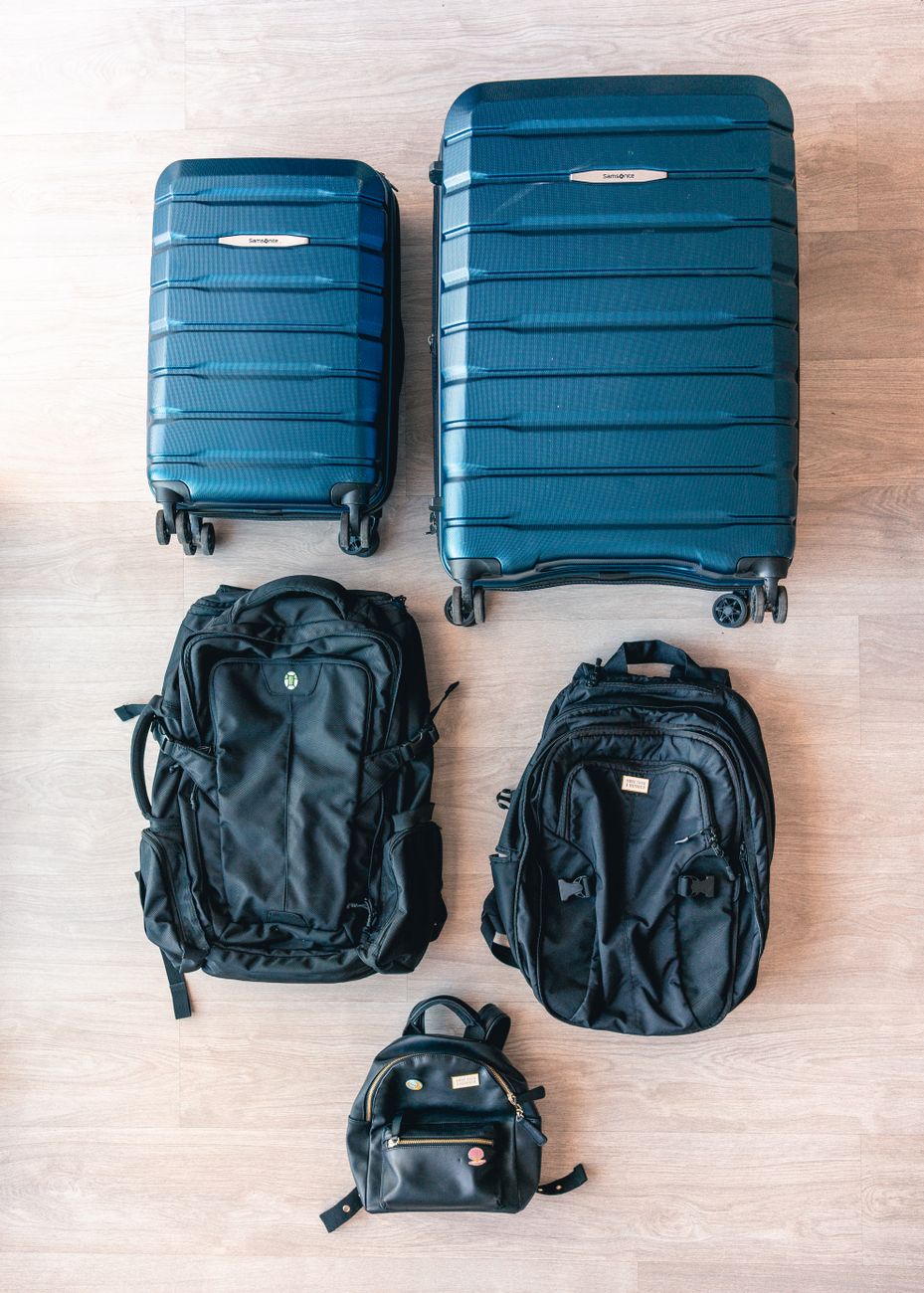
The traditional instinct when preparing for Norwegian coastal passages, Icelandic highlands, or Patagonian winters is additive: pack more bulk. In reality, heavy synthetics cause perspiration during uphill snowshoeing, which subsequently freezes when movement halts. A rigorous sub-polar packing philosophy is built on thermal modularity rather than mass.
The Primacy of High-Micron Merino
Dense merino wool remains unmatched in its capacity to regulate core temperature while damp. Two mid-weight base layer tops (250 g/m²) rotated over ten days outperform five synthetic thermal shirts. Natural lanolin within unbleached wool fiber actively resists bacterial buildup, eliminating the need for daily laundering.
"In cold weather logistics, simplicity is not an aesthetic preference; it is a vital safety protocol."
For insulation, hydrophobic 850-fill-power down offers the highest warmth-to-weight ratio available. When paired with a windproof three-layer hardshell featuring seam-taped ventilation zips, the explorer can adjust thermal retention within seconds of changing pace.
Preserving Photographic Electronics
Sub-zero ambient air rapidly degrades lithium-ion cell output. Keep active camera batteries in an internal chest pocket warmed by your body heat, swapping them only when framing your subject. Store camera equipment in airtight dry bags before entering heated refuges to prevent interior lens condensation.